




Key Takeaways:
- Practice is crucial to mastering your instrument.
- The way you practice makes a difference in how you learn.
- Practicing smarter is more effective than practicing longer.
- It also means employing strategies to make learning easier.
- Setting up proper practice space and breaking down the music into easily digestible chunks make practice more effective.
- Remember to keep track of progress and reward yourself for wins to keep motivation high.
The 10,000-hour rule says that’s how long you must practice something to master it. Many great musicians have reiterated this and regaled fans with tales of the countless hours it took to hone their craft.
The problem for most musicians, great or otherwise, is that sometimes, practicing just isn’t fun. It can actually feel like a burden, no matter how much you love playing. Giving in isn’t an option, however. Pushing through these moments of drudgery is the only way to improve.
Practicing music is a skill, too, and learning to do it efficiently helps maximize your practice time and boost your proficiency. This guide will explore what it means to practice smarter and offer some easy tips to pack more punch into your practice time.
Practice Smarter
The brain never stops learning and making new connections. Practicing an action creates a permanent place for it in our memory, regardless of whether the actions we’re performing are completely on target or entirely wrong.
Practicing smart means more than just practicing a skill over and over. It means doing it efficiently and in a way that stimulates the brain to bank it in the memory logs and pull it out again, but next time, your recall for it will be faster and better.
9 Ways to Maximize Music Practice
We all want to make the most of our time, especially if it’s doing something we’re passionate about. The good news is that you can make many small changes in your practice routine that increase your capabilities faster than just hammering away in the same old fashion. Here are nine simple hacks you can employ right now to improve your practice efficiency and get better, faster.
1. Warm Up
Seriously! So many people think warming up is only for physical sports or singing, but it’s for all musicians and performers. Humans aren’t equipped to perform perfectly instantaneously at any given moment. Warming up prepares your mind and body to do what you ask.
2. Start with a Realistic Goal
Music practice is about quality, not quantity. Expecting to learn a whole song perfectly in 30 minutes of practice is unrealistic and setting yourself up for disappointment. Focus on a portion of the music and commit to learning every note in your allotted practice time. It’s much easier and more rewarding to perfect a song in 60-second intervals than all at once.
3. Record Your Practice Sessions
There is so much you aren’t aware of when practicing in real time. Listening to yourself play helps you identify the mistakes and decipher where you could improve. Video helps, too. You can see where your techniques fail you and where you perform your best.
4. Make Notes
Take notes while practicing, watching recordings, and even listening to other people’s music. Think of it as asking for your own feedback. It can be incredibly helpful to hear your thoughts in the moment because we often forget that stuff when the excitement of practice fades.
5. Environment Matters
There will always be times when you’re in the zone, and you can practice wherever you are regardless of what’s happening around you, but that isn’t a typical scenario. Your environment usually has a substantial impact on the quality of practice.
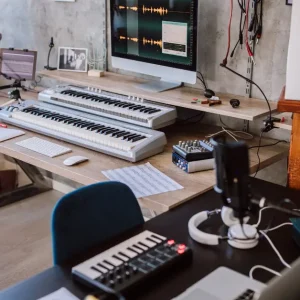
You can make the environment more conducive to quality practice by ensuring you have everything you need (music, metronome, tuner) at your fingertips and using a quiet, distraction-free room.
6. Maintain a Practice Log
Keep a log of your accomplishments as you practice. Write down when you start learning a piece of music and when you complete each milestone. It’s an easy way to watch your progress and boost your motivation.
7. Practice Daily
Don’t underestimate the value of practicing every day. Practicing for 15 to 20 minutes per day can have a more significant effect than a two-hour practice a few times per week. Consistency pays off, even if it’s just warming up and never touching your repertoire.
8. Pick your practice music wisely
Practice music should be something you really want to play. Whether it’s a classical piece from the 17th century or this year’s hottest pop song doesn’t matter. All that matters is that it excites you. Some people enjoy learning things that are way above their skill level. Others find it discouraging and lose motivation. Finding what ignites your passion and going after it with gusto is the key.
9. Acknowledge and Reward Your Wins
Sticking to your practice goals is a big deal. Your hard work and dedication put you closer to your ultimate objective – that calls for a celebration! Every time you hit a milestone, no matter how small, throw yourself a little party. Do a happy dance, enjoy an ice cream, buy a new guitar, or binge your favorite TV show uninterrupted as a reward.
Practice makes perfect, but how you practice greatly affects how fast you learn. Set yourself up for success by intentionally setting up your practice sessions to give you the most value possible. It’s easier than you think, and you can get started today.
We can help you make every practice count
Practice is the core of all musical abilities. There is no other way to master your instrument of interest. We can help you learn to practice effectively. Sloan is a music school that provides lessons (private, group, virtual, etc.) in various musical disciplines.
Sloan School of Music also offers a store with top-of-the-line musical instruments and accessories for sale, plus instrument rental programs for those who do not want to own their own. Check us out today and start playing tomorrow!